A case study library designed to show the operating problem, OPERCEL's solution design, the software delivered, and the post-handoff result. Detailed project content will be added later.
Shopify e-commerce / AI operationsMultiple rollout rounds
SEECOM GLOBAL: AI and automation for Shopify e-commerce
SEECOM GLOBAL is a lean Shopify e-commerce business using AI and automation to support very high order volume while keeping the team small. OPERCEL focused on reducing manual work, connecting order data, and shaping a clearer operating layer for larger scale.
KSD Vietnam: n8n workflow automation across Microsoft 365 and HubSpot
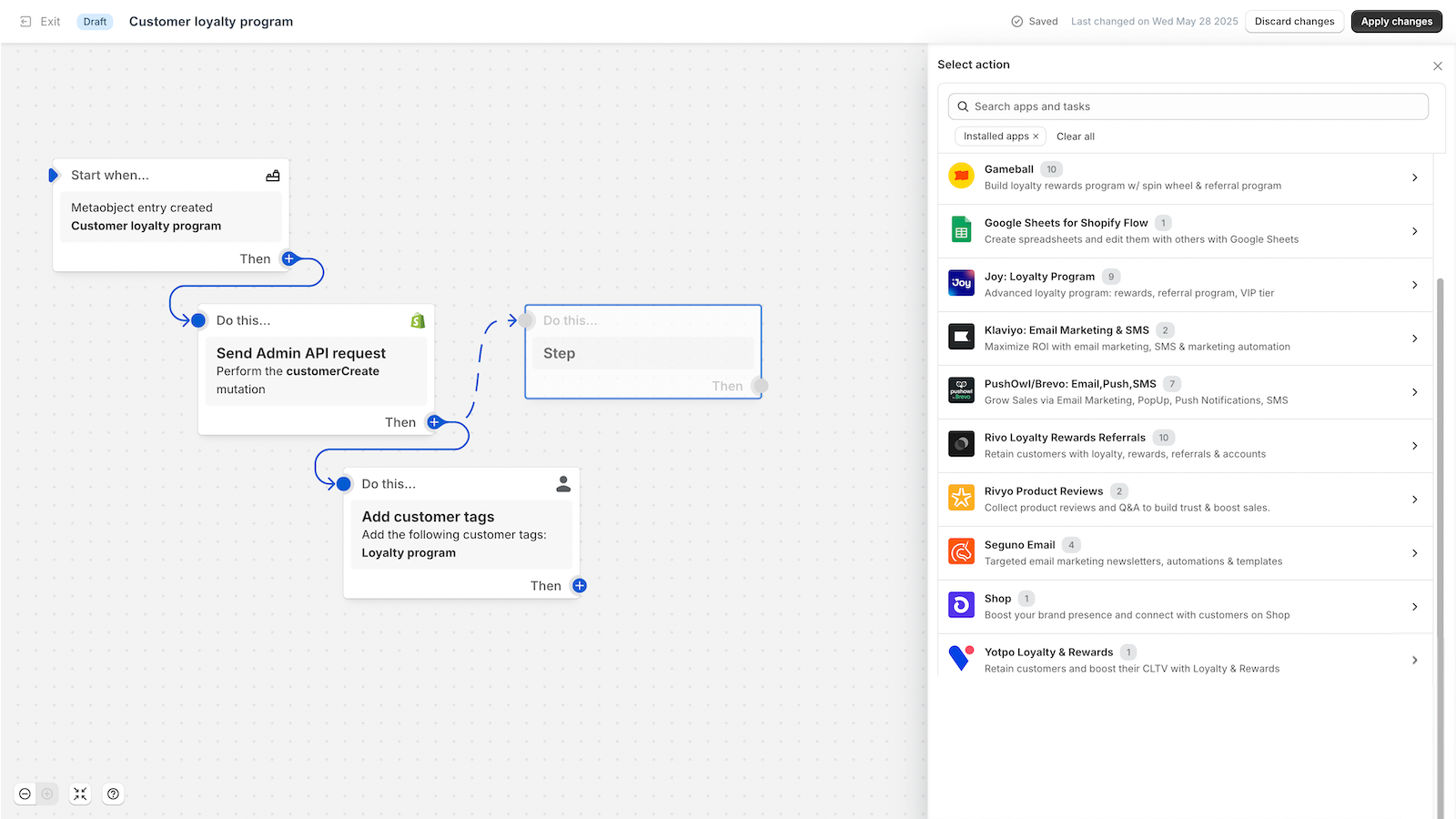
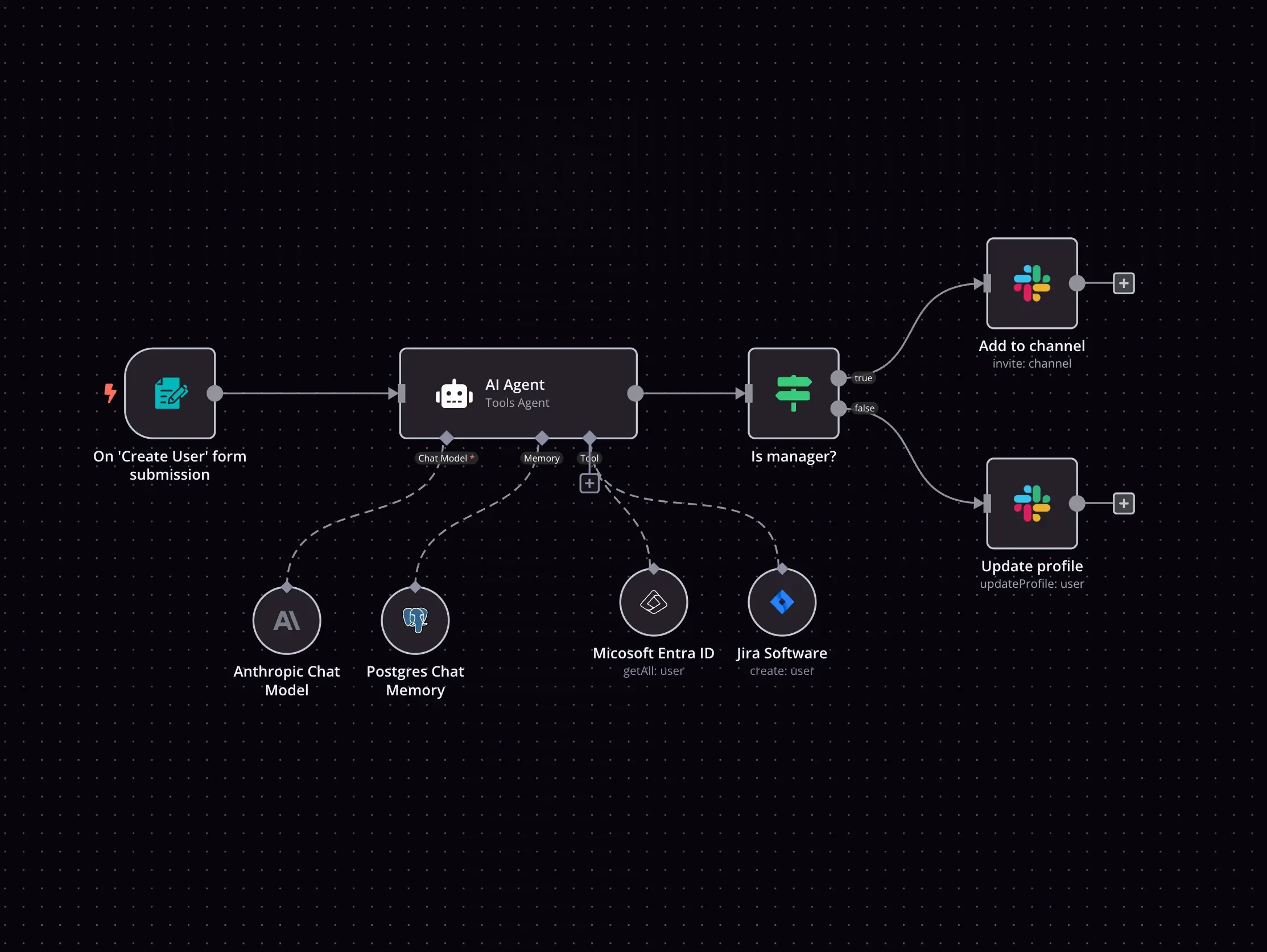
KSD Vietnam is a tuna export business with real workflows around documents, purchase intake, warehouse intake, accounting, and production forms. OPERCEL used n8n as the orchestration layer across Microsoft Graph, SharePoint/OneDrive, HubSpot, Excel workbooks, internal APIs, and render/upload/update steps.
Entana Inc: Supplier Buyer Collaboration Platform on AWS
Entana Inc needed a platform where buyers and suppliers could communicate, evaluate products, manage supplier information, and analyze costs in one system. The platform was built with React, Node.js/Express, PostgreSQL, and deployed on AWS for scalability, reliability, and security.
The business already used Excel on SharePoint, but warehouse intake, production reporting, and stock checks still required too much manual spreadsheet work. OPERCEL built dedicated web forms connected through Microsoft Graph and n8n, keeping the workbook as the source of truth while making daily input easier.
After production forms were live, the next bottleneck was stock-read speed and confidence in the remaining quantity. OPERCEL moved reads to Excel Tables, added TTL-based cache, and invalidated stock after writes.
A creator ops team needed creators to claim assets by store and week, constrained by remaining quantities. OPERCEL built an n8n workflow that reads fresh Lark Base data when the form opens, filters creators by authorized store, and shows the weekly plan before submission.
Accounting and cashflow system for e-commerce operations
The operations team needed clear views of revenue, payment status, refunds, and cashflow from real order data. OPERCEL worked directly on the internal accounting app, checked the data, refined reports, and kept the local environment safe from production queue side effects.
A scheduled Q2 report in Lark needed to be concise enough for managers while still showing revenue, targets, and operating rankings. OPERCEL refined the card content, chart labels, and formatting so it reads like an executive snapshot.
The marketing team needed to connect orders with platform, campaign, ad set, and ad-level data. OPERCEL implemented order-level attribution mapping and a compact detail popover, tying operations data back to performance context.
Instead of demoing another chatbot, OPERCEL designed an AI control center model: employees work through Lark, agents run on OpenClaw, skills are managed in a registry, and memory and permissions are separated by role.
OPERCEL built a skill builder that turns vague requests like “make a bot for this” into AI skills with business goals, scope, data requirements, guardrails, and test criteria.
A service website needed clear Vietnamese copy, SEO-ready structure, a secure contact form, and fast Cloudflare deployment. OPERCEL built the landing page, privacy page, contact page, customer stories section, and OpenNext deployment flow.
Motion-led landing pages without generic stock imagery
When a website needs to feel premium while explaining dry operational work, OPERCEL uses flow visuals, blueprints, motion, and micro-interactions instead of unrelated stock photos.
Microsoft, Google, and Lark digital workplace consulting
Many companies do not lack software; they lack a clear way to fit software into operations. OPERCEL advises whether to use Microsoft 365, Google Workspace, or Lark based on the current process, data structure, and team habits.
OPERCEL delivers small but real workflows: dynamic forms, table reads, input validation, scheduled reports, API cache, webhooks, and tool-to-tool sync. The principle is simple: every workflow must replace repeated work, not exist for show.